


Eco-Friendly Cornstarch Plates: Dining Reimagined
2026-02-01 02:00
The Green Revolution in Catering: Why Cornstarch is Replacing Traditional Plastics
As the global community intensifies its focus on sustainability, the food service industry is undergoing a massive transformation. The recent introduction of high-durability cornstarch dinnerware represents a significant milestone in this journey. For businesses ranging from school cafeterias to high-end corporate catering, the shift away from petroleum-based plastics is no longer just a trend—it is a regulatory and ethical necessity.
The Science Behind the Material: What is Cornstarch Plastic?
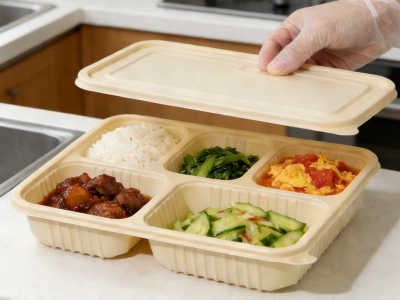
The 4-compartment plate featured in our latest collection is crafted from a unique bio-polymer derived primarily from cornstarch. Unlike traditional polystyrene (Styrofoam) or polypropylene, which can take centuries to decompose, cornstarch-based materials are designed to break down significantly faster in industrial composting environments.
Through a process of fermentation and polymerization, natural corn sugars are converted into a sturdy, heat-resistant material. This material offers the rigidity required for heavy meals while maintaining a significantly lower carbon footprint during the manufacturing phase.
Design Excellence: The 4-Compartment Advantage
The specific design shown in the image serves a strategic purpose in modern food service:
Portion Control: Ideal for health-conscious meal programs and institutional dining.
Flavor Integrity: Prevents sauces and side dishes from mixing, ensuring a premium dining experience even with disposable products.
Structural Integrity: The reinforced rim and "ribbed" edges provide superior grip and prevent the plate from buckling under the weight of moist or heavy foods.
Why Trust Cornstarch Tableware?
1.Environmental Expertise
From a life-cycle assessment (LCA) perspective, cornstarch products are "carbon-neutral" at their core. The corn plants used for raw materials absorb carbon dioxide during their growth phase, offsetting the emissions produced during processing. This makes eco-friendly tableware a vital tool for companies aiming to meet ESG (Environmental, Social, and Governance) targets.
2. Health and Safety Standards
One of the primary concerns with traditional plastic is the leaching of chemicals like BPA or Phthalates when exposed to heat. Cornstarch plates are naturally BPA-free and non-toxic. They are microwave-safe and grease-resistant, making them a safe choice for serving hot entrees (up to 100°C / 212°F) without compromising the chemical safety of the food.
3. Economic and Social Impact
Switching to compostable catering supplies also helps businesses avoid the increasing "plastic taxes" being implemented across Europe and North America. By choosing bio-based alternatives, vendors demonstrate a commitment to the planet that resonates deeply with the modern "conscious consumer."
The Manufacturing Process: From Field to Table
The production of these plates involves several critical steps to ensure quality:
Starch Extraction: High-quality maize is processed to extract pure starch.
Bio-Polymerization: The starch is modified to enhance its thermal stability and moisture resistance.
Thermoforming: The material is heated and molded into the 4-compartment shape using precision machinery.
Quality Inspection: Each batch is tested for "snap-resistance" and fluid retention to ensure it meets commercial food service standards.
Conclusion: A Sustainable Future
The 4-compartment cornstarch plate is more than just a piece of disposable waste; it is a solution to the global plastic crisis. As we move toward 2026 and beyond, the integration of sustainable food packaging will become the standard. By adopting these products today, businesses are not only protecting the environment but also building a brand rooted in responsibility and forward-thinking innovation.
Related News
Read More >-
![Degradable 5-Compartment Cornstarch Lunch Box]()
Degradable 5-Compartment Cornstarch Lunch Box
In January 2026, our design team launched a 5-compartment cornstarch lunch box globally to solve plastic pollution. This microwaveable, compostable container provides a high-performance, leak-proof solution for takeout.
-
![A Memorable Visit: American clientsExplores Sudihao's Capabilities, Fostering Promising Collaboration Through In-Depth Factory Tour]()
A Memorable Visit: American clientsExplores Sudihao's Capabilities, Fostering Promising Collaboration Through In-Depth Factory Tour
-
![Child-Safe Plastic Knife Making Kitchen Fun & Accessible!]()
Child-Safe Plastic Knife Making Kitchen Fun & Accessible!
-
![Sudihao Triumphs at the 139th Canton Fair]()
Sudihao Triumphs at the 139th Canton Fair
-
![Sudihao Debuts Durable Acrylic Dispenser Series]()
Sudihao Debuts Durable Acrylic Dispenser Series
Sudihao launched its premium Acrylic Sauce Dispenser series in April 2026, offering versatile 350ml to 600ml sizes for kitchens worldwide to enhance efficiency and style through durable design.
-
![Sudihao Unveils Innovative Gold PP Meat Trays]()
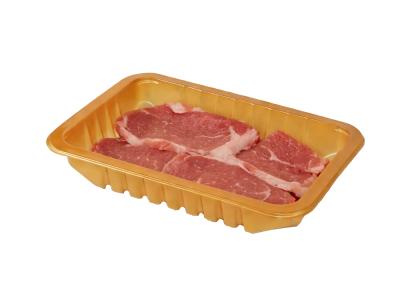
Sudihao Unveils Innovative Gold PP Meat Trays
In April 2026, Sudihao launched its premium gold PP material meat tray series globally to enhance food shelf life and presentation through advanced high-barrier molding and food-grade security.
-
![SUDIHAO Debuts New Eco-Corn Starch Plate Series]()
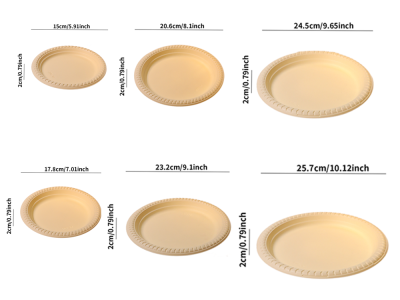
SUDIHAO Debuts New Eco-Corn Starch Plate Series
In April 2026, SUDIHAO launched its versatile corn starch plate series globally to meet rising eco-demands. These durable, compostable plates offer six distinct sizes, expertly bridging the gap between sustainability and high-performance function.
-
![SUDIHAO Unveils New Eco-Friendly PET Fruit Bowl]()
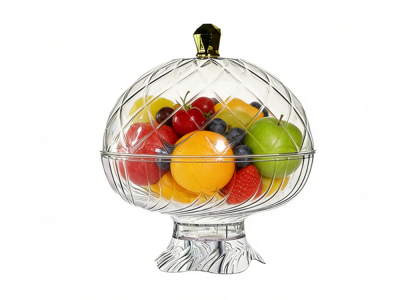
SUDIHAO Unveils New Eco-Friendly PET Fruit Bowl
In April 2026, SUDIHAO launched a premium PET fruit bowl in Guangdong to promote food freshness. The team used advanced molding to create a durable, diamond-patterned design for modern homes.