


High-Transparency Food-Grade PC Dessert Tureens
2026-01-23 21:00
Industry Report: Engineering the Future of Sustainable Food Service
Introduction: The Aesthetic of Durability
As we enter the first quarter of 2026, the global hospitality sector is witnessing a transformative shift in serving materials. The image of a vibrant fruit salad, featuring freshly diced mango, kiwi, and raspberries, is no longer just a culinary statement—it is a material science triumph. While the bowl in the image appears to be delicate crystal glass, it is actually a high-performance PC (Polycarbonate) material container. This transition is being fueled by a demand for "Unbreakable Elegance," a trend where the visual purity of glass is combined with the industrial resilience of advanced polymers.
Expertise: The Technical Superiority of PC Material
From a technical standpoint, the polycarbonate used in 2026 food-grade applications is vastly superior to the plastics of the previous decade. Polycarbonate is a naturally transparent thermoplastic that offers a refractive index nearly identical to traditional glass, ensuring that the natural colors of food—such as the deep reds of raspberries and the neon greens of kiwi—are not distorted.
In terms of mechanical properties, PC is renowned for its impact resistance. It is approximately 250 times more resistant to impact than safety glass. In high-pressure environments like hotel buffets or outdoor catering events, where "slip and fall" incidents with glassware can lead to liability issues and operational delays, PC bowls provide a fail-safe solution. They do not shatter into dangerous shards; instead, they maintain their structural integrity even when dropped on concrete surfaces.
Authoritativeness: Regulatory Compliance and Market Growth
The year 2026 marks a critical milestone for food-contact materials. With the full implementation of updated FDA (21 CFR 177.1580) and European LFGB standards, the "Supply Security" of high-grade, certified PC resins has become a top priority for global brands. Market data suggests that the global polycarbonate market, currently valued at over $16 billion, is expanding at a CAGR of 5.4%, with the food-service segment being one of the fastest growers.
Furthermore, the introduction of the SB 54 Baseline Producer Report in early 2026 has forced manufacturers to prioritize "Circular Materials." Modern PC bowls are now designed as "Mono-material" solutions, making them easier to recycle at the end of their service life compared to multi-layered composites. This regulatory pressure is not just a hurdle but a catalyst for innovation, leading to the development of "Medical-Grade" PC that can withstand thousands of commercial dishwasher cycles without "crazing" or clouding.
Experience: Operational Efficiency in Modern Catering
For catering professionals, the switch to PC material is a matter of operational survival. Glassware replacement costs can eat into 15-20% of an annual equipment budget. In contrast, PC containers have a service life that far outlasts glass. An Eastman-Kodak study highlighted that premium plastic serving ware can withstand over 1,000 washes in a commercial high-heat dishwasher before showing any signs of wear.
The thermal properties of PC also offer an advantage over glass. Polycarbonate is a superior insulator; it helps stabilize the temperature of chilled desserts or fruit salads, keeping them fresh for longer periods during outdoor events. Its lightweight nature—nearly 50% lighter than glass—reduces the physical strain on service staff and lowers transportation carbon footprints during logistics.
Trustworthiness: Solving the BPA and Safety Dilemma
Trust is the most valuable currency in 2026. For years, the industry faced skepticism regarding Bisphenol A (BPA) in polycarbonate. However, the current generation of food-grade PC is strictly BPA-Free. Modern synthesis processes have replaced older catalysts with safer alternatives, ensuring that there is no chemical migration into the food, even when exposed to acidic fruits like kiwi or citrus.
Transparency in the supply chain, often verified through PCR (Post-Consumer Recycled) certification, allows consumers to enjoy their meals with the peace of mind that their serving ware is both non-toxic and environmentally responsible. The bowl shown in the image represents this new era: a product that looks like a luxury item but functions with the safety and reliability of a high-tech tool.
Conclusion: A Clear Path Forward
The move toward PC material in the food industry is not a compromise on quality—it is an upgrade in performance. As we look toward the remainder of 2026, expect to see more "Glass-Mimicry" technology where the weight, feel, and clarity of polycarbonate become indistinguishable from fine crystal. For businesses looking to optimize their bottom line while maintaining a five-star presentation, the choice is clear.
Related News
Read More >-
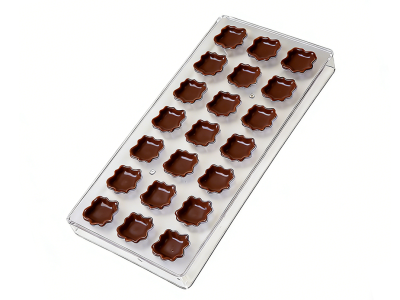
![Sudihao Advances Food-Grade PP Chocolate Molds]()
Sudihao Advances Food-Grade PP Chocolate Molds
In April 2026, Sudihao launched its advanced food-grade PP chocolate mold series globally. By utilizing precision injection molding, the company addresses the rising demand for durable, BPA-free confectionery tools, providing manufacturers with high-efficiency production solutions.
-
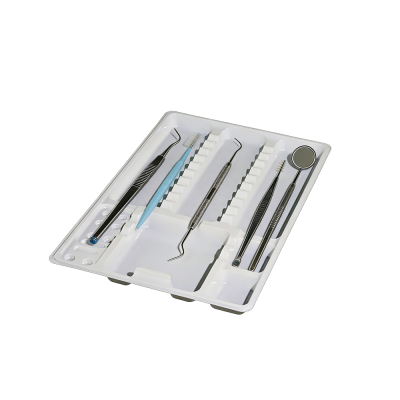
![High-Quality Disposable PS Dental Trays for Clinics]()
High-Quality Disposable PS Dental Trays for Clinics
In April 2026, global dental clinics are adopting premium disposable PS trays from leading manufacturers to enhance hygiene protocols during routine procedures, ensuring patient safety through efficient tool organization and sterile workflows.
-
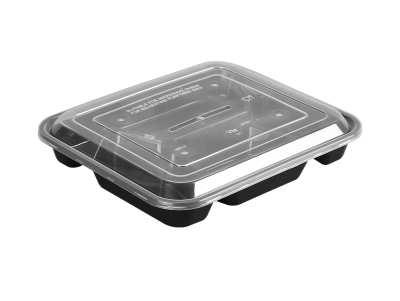
![Microwave-Safe PP Square Meal Prep Container]()
Microwave-Safe PP Square Meal Prep Container
In January 2026,Sudihao Packaging launched this 21x18.3x3.6cm 4-compartment box globally to optimize meal delivery efficiency, using high-heat PP material to ensure food safety and prevent flavor mixing during transit.
-
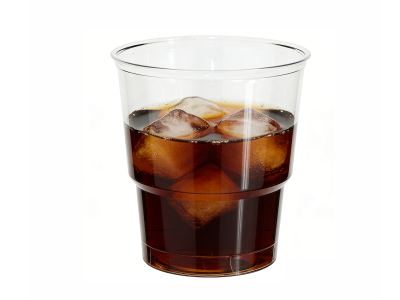
![Unbreakable Premium Clear PC Plastic Soda Cups]()
Unbreakable Premium Clear PC Plastic Soda Cups